Why the Best Treatment Is the One You Never Need
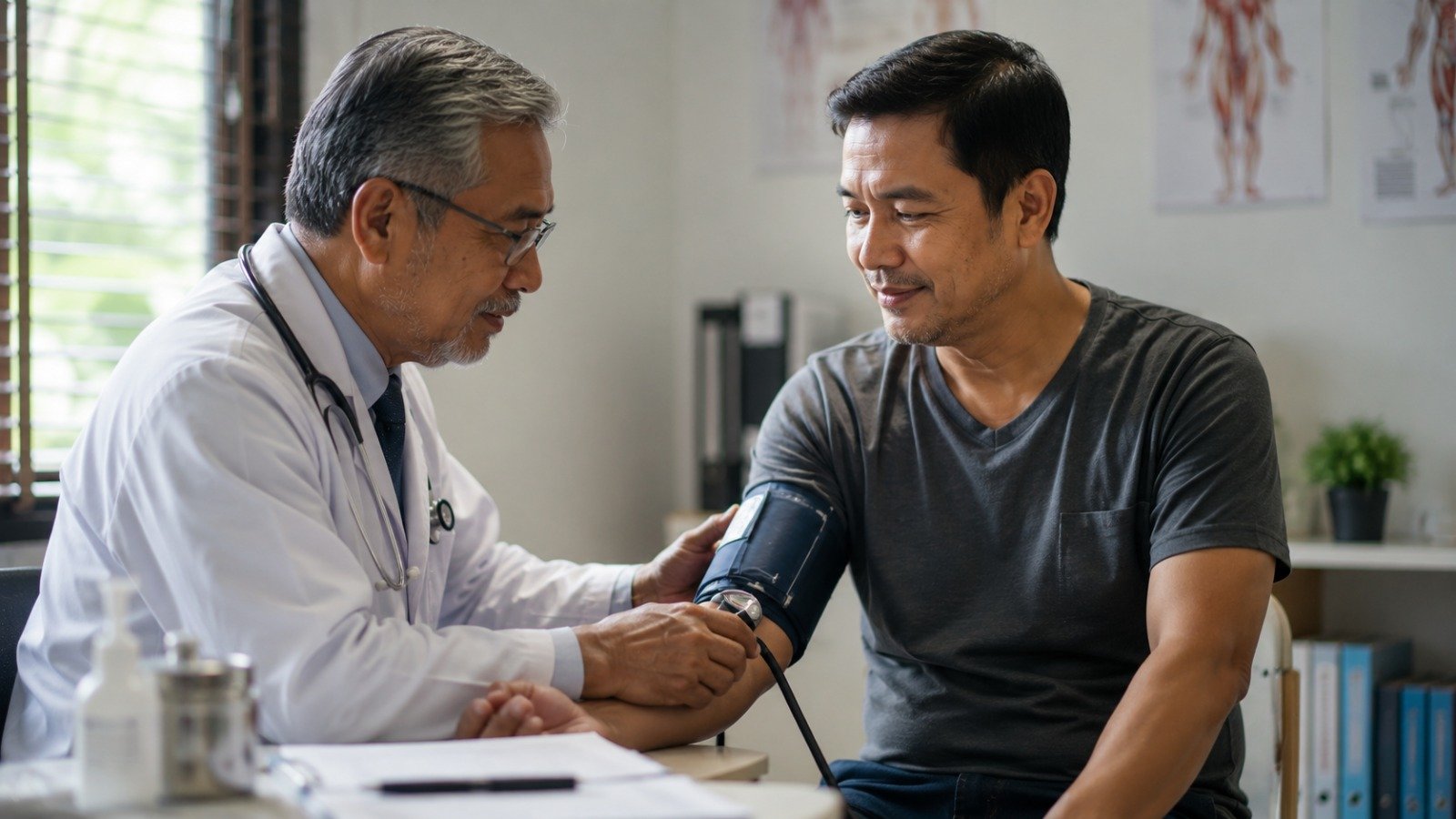
There is a form of medicine that gets very little attention.
It makes no dramatic headlines. It uses no exciting new machines. It needs no hospital and no costly procedure. But it saves more lives than almost any other kind of medical care on earth.
This form of medicine is called prevention. And the most powerful fact about it is this: most of the diseases that kill people early did not have to happen at all.
The World Health Organization says that at least 80 percent of early heart disease, stroke, and type 2 diabetes could be prevented. Early here means happening sooner than it should, before a person has lived a full, healthy life. So this is not about treating these diseases after they arrive. It is about stopping them before they start.
Think about that for a moment. Eight out of ten people who die too soon from these diseases did not have to.
Every year, millions of people go through heavy treatments for diseases that could often have been prevented. They have heart surgery. They have dialysis, a treatment that cleans the blood when the kidneys can no longer do it. They have chemotherapy, strong medicine used to treat cancer. Some have an amputation, which means losing a limb through surgery. The evidence shows that much of this suffering did not have to happen.
And prevention does not just save lives. It protects the quality of those lives. Think of the difference between dying at 55 from a heart attack and staying active until 85. That difference is not mostly down to your genes. It is mostly down to the choices made day after day over many years, and to having the right information at the right time. This pillar is about giving you that information.
Picture identical twins. The same parents. The same genes. The same body, given to them on the same day. Both now 52.
The first has never had a full health check. He does not know his blood pressure, which is the force of blood pushing against the walls of his blood vessels. He does not know his cholesterol, a fatty substance in the blood. He has never been checked for bowel cancer, even though he is over 50. He has been meaning to see his doctor for two years. He feels fine, so he keeps putting it off.
Then one Tuesday morning he has a heart attack. Not fatal, but he spends a week in hospital. There he learns that his blood pressure had been too high for years. His cholesterol was high. His blood sugar was in the range just before type 2 diabetes. None of it had caused any obvious symptoms. None of it had been caught. Because he had never been checked.
The second has had a health check every couple of years since his mid-forties. His blood pressure was flagged as slightly high four years ago. He changed his diet and started walking every day, and it came down without medicine. His cholesterol and blood sugar were checked. He did the bowel cancer test when it was offered. All clear. He treats his regular check as seriously as he treats the regular service on his car.
Here is the part worth sitting with. These two men started with exactly the same body. The same genes. Nothing in their biology made one have a heart attack and the other stay well. A car that is never serviced eventually breaks down, often at the worst possible moment. The body works the same way. One man kept watch. The other did not.
Prevention in medicine means acting before disease develops, rather than waiting until it does.
Think of it like looking after a building. You can wait until the roof leaks, the walls crack, and the foundations shift before you call anyone. By then the repairs are costly, messy, and often only fix part of the damage. Or you can check the building regularly, fix small problems while they are still small, and keep it sound for decades. Prevention is the regular check and the small fix. It is far cheaper than the emergency repair, far less painful, and far more likely to end well.
Many health systems around the world offer a basic health check to adults in midlife, often from around age 40. These checks look for the early warning signs of heart and blood-vessel disease, diabetes, and kidney disease before any symptoms appear. If a health check is available to you and you have not taken it, book it. It is one of the most valuable short appointments you will have all year.
Not all prevention is the same. There are three levels.
This level stops disease from ever developing. Think of it as building a strong fence before the animal can escape. It includes the daily choices: not smoking, eating well, moving regularly, sleeping enough, and managing stress. It also includes vaccines, which train the immune system to fight specific diseases before they can make you ill. This is the most powerful level, and the one most within your own control.
This level catches disease early, before it has done major damage. Think of it as spotting a small leak in the roof before it brings the whole ceiling down. It uses health screenings and check-ups. These find high blood pressure, high cholesterol, early cancer, and blood sugar that has started to climb, all before you feel any signs. Most serious diseases give no warning early on. They build up quietly. This level is the work of looking for them before they show themselves.
This level manages a disease that has already arrived, to stop it getting worse. Think of it as repairing the ceiling after the leak, and making sure it never fully falls in. It includes heart-recovery programs after a heart attack. It includes careful diabetes care to stop further harm. It includes physical therapy after a stroke. All three levels matter. But most people think only about this third one, managing disease after it arrives. The greatest chance to help yourself lies in the first two.
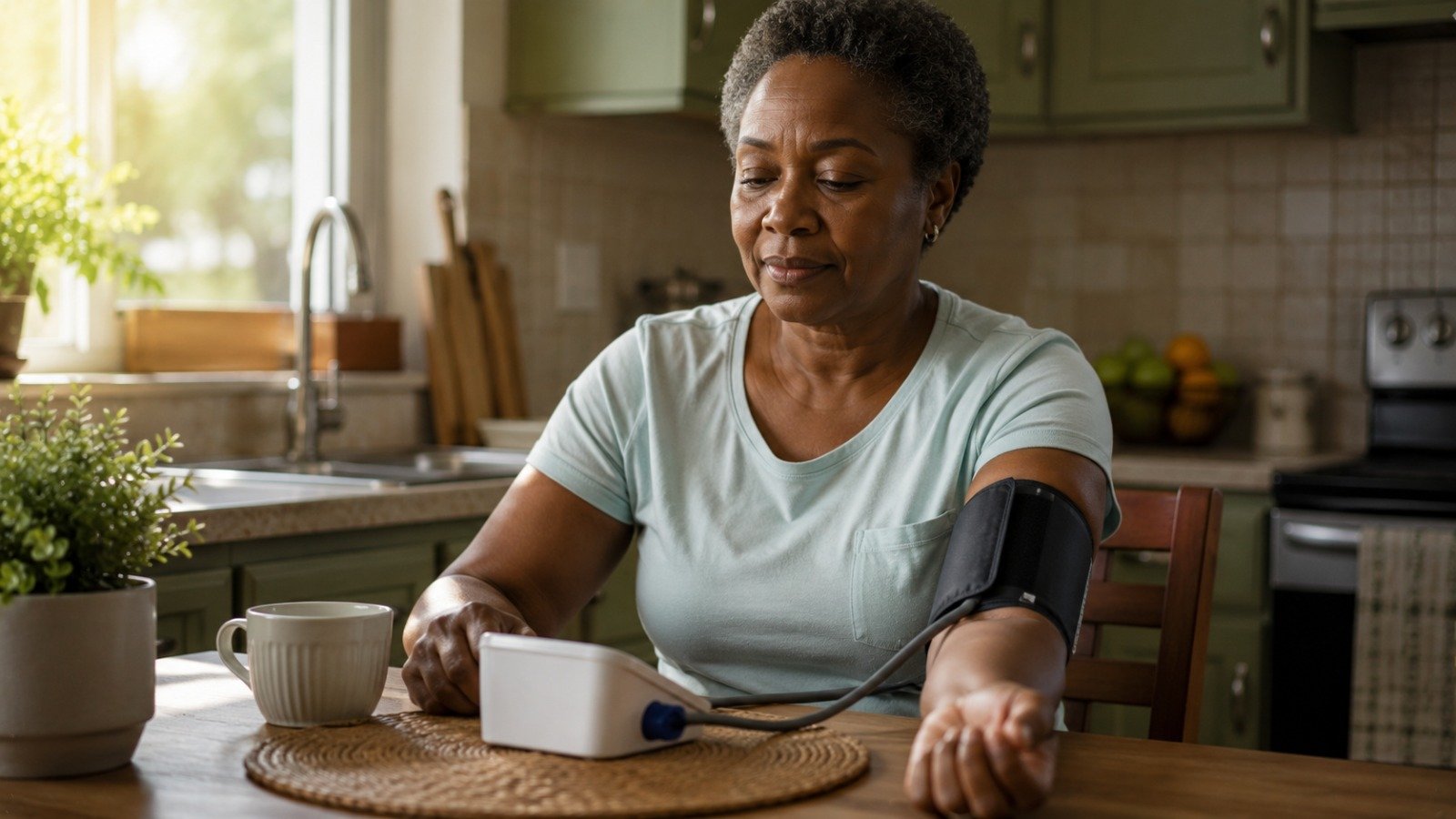
Health screenings are one of the most powerful tools in medicine. A screening is a test done on people who feel healthy, to find signs of a problem before symptoms appear. Think of it like a smoke alarm. It does not wait for the house to be on fire. It listens for the first hint of smoke, while there is still time to act. A screening does the same for your body. It finds the trouble nobody knew was there, before it becomes life-threatening. Here are the most important ones for most adults. The exact ages and timing differ from country to country, so treat these as a guide and ask your local doctor what applies to you.
High blood pressure is sometimes called the silent killer. It almost never causes symptoms. Think of a garden hose left turned up too high, day and night, for years. The hose itself slowly wears out from being pushed too hard, all the time. Your blood vessels are the same. Over years, high pressure quietly damages the arteries (the vessels that carry blood away from the heart), the heart itself, the brain, and the kidneys. And you feel none of it happening. Most health bodies advise every adult to have their blood pressure checked at least every few years. It takes minutes, with a simple inflatable cuff around the upper arm. Knowing your numbers is one of the most important pieces of health information you can hold.
A cholesterol test is a blood test that measures the different fats in your blood. The one to watch is LDL cholesterol. It is sometimes called the bad kind, because it builds up on the walls of your arteries and gathers there slowly over years. Think of it like a pipe getting narrower little by little. The blood still flows through, until the narrowing gets bad enough, and then it does not. A cholesterol check should be part of any regular adult health check.
Type 2 diabetes builds up over years, through slowly worsening insulin resistance. Insulin resistance means the body becoming less and less able to handle blood sugar. Most people in the stage just before diabetes feel nothing at all. It is like a slow leak in a tire. Nothing looks wrong from the outside, and the car still drives, but the pressure is dropping the whole time. A simple blood test finds it. There are two common ones. A fasting glucose test measures your blood sugar after several hours without food. An HbA1c test measures your average blood sugar over the past three months. Catching high blood sugar at this early stage gives you a huge chance to turn it around before it becomes diabetes. The American Diabetes Association recommends checking for type 2 diabetes in all adults from age 35.
Bowel cancer is one of the most common cancers in the world. The bowel is the lower part of the digestive system. Caught early, bowel cancer is one of the most treatable of all cancers. Many countries invite adults from around age 50 to do a simple home test on a small sample of their bowel movements every couple of years. The test looks for tiny traces of blood, which can be an early sign of polyps, small growths on the inner lining of the bowel. Here is the part that makes this screening so powerful. Most polyps are harmless, but some can slowly turn into cancer if left. It is like pulling a small weed before it spreads across the whole garden. Removing a polyp early removes the risk completely. If you are offered this test, do it. It takes minutes, and it could save your life.
Many countries invite women from around age 50 for a mammogram, a type of low-dose X-ray of the breast, every few years. A mammogram can find a tumor (an abnormal growth) before it can be felt by hand. When breast cancer is found at its earliest stage, while the growth is small and has not spread, more than 9 in 10 women survive it. When it is found late, after it has spread, the outlook is far harder. Finding it early saves lives in the most direct way possible.
Many countries invite women, often from their mid-twenties, for regular cervical screening. The cervix is the lower part of the womb, where it meets the vagina. This screening does not test for cancer itself. It looks for early changes in the cells of the cervix that could turn into cancer later if left alone. This is prevention reaching back even earlier than the others. It does not just catch cancer early. It catches the warning signs years before cancer could ever form, and clears them away while they are still harmless. Treating those changes before they ever become cancer is prevention at its most direct.
Vaccination is one of the greatest achievements in the history of medicine. A vaccine is a treatment, usually a small injection, that trains the immune system to recognize and fight a specific disease before it can make you ill.
Smallpox, a deadly disease that scarred and killed millions throughout history, was wiped out completely in 1980 after a worldwide vaccination effort. Polio, a virus that can cause lasting paralysis (loss of movement), has been cleared from most of the world. Yet where vaccination rates fall, diseases that were almost gone have started to return.
Think of community vaccination like a firebreak in a forest. A firebreak is a cleared gap that stops a fire spreading. If enough of the forest is cleared, a fire runs out of fuel and cannot move. In a community, this is called herd immunity. Herd immunity is when enough people are protected from a disease that it can no longer spread easily from person to person. The people most at risk, the very young, the very old, and those too ill to be vaccinated, are protected by the vaccination of everyone around them.
The World Health Organization estimates that vaccination prevents 3.5 to 5 million deaths every year. For adults, common ones include the yearly flu vaccine, COVID-19 boosters as advised, and the shingles vaccine for older adults. Shingles is a painful condition caused when the chickenpox virus, which has been sleeping quietly in the body since childhood, wakes up and becomes active again. Ask your doctor or pharmacist which vaccines are right for your age and health.
Understanding how long-term disease develops is one of the most useful things a person can learn, because it puts so much back in your own hands. A long-term disease is one that builds up slowly over time, rather than appearing all at once. And because it builds so slowly, for most of that time it can still be turned around.
Think of long-term disease like a path worn across grass. No single footstep makes the path. But the same steps, taken day after day, slowly wear a bare track that anyone can see. Each day's change is too small to notice. The direction never changes. And after enough time, the path is just there.
Heart and blood-vessel disease begins with tiny injuries to the inner walls of the arteries. Inflammation, the body's repair response, moves in to the damaged spot. LDL cholesterol gathers there too. Slowly, a plaque forms. A plaque is a build-up of fatty material inside a blood vessel. Think of plaques as blockages slowly forming inside a pipe. Over years the pipe gets narrower and less blood gets through. Then one day a plaque breaks open, a clot forms, and the pipe blocks completely. The result is a heart attack or a stroke.
This process begins in some people in their twenties and thirties. It moves silently for decades, without a single obvious symptom, until it is silent no longer. Type 2 diabetes follows a similar slow path: years of blood sugar spikes and rising insulin quietly damage blood vessels, nerves, and organs long before any diagnosis.
Knowing this changes everything. Because if the process starts decades before the crisis, then the window to act is enormous. The choices you make today are either building those plaques or preventing them. Either deepening insulin resistance or reversing it. Either wearing that path deeper or stopping it.
The evidence on prevention points the same way across thousands of studies and decades of research. The same handful of habits appear again and again as the strongest protection against long-term disease.
Smoking is the single most preventable cause of early death in the world. It causes at least 12 kinds of cancer. It is the leading preventable cause of heart and blood-vessel disease. And it causes serious long-term lung disease that makes breathing harder and harder. Stopping at any age brings real benefits you can measure.
Carrying too much body fat clearly raises the risk of heart disease, type 2 diabetes, several cancers, sleep apnea (a condition where breathing repeatedly stops during sleep), joint disease, and early death. Healthy weight is not mainly about how you look. It is a medical matter.
The World Health Organization recommends at least 150 minutes of moderate activity a week as the proven minimum. Too little movement is one of the leading changeable causes of early death worldwide.
A diet built on vegetables, fruits, whole grains, beans, and good protein, with little ultra-processed food, lowers the risk of heart disease, type 2 diabetes, and several cancers. A major global study published in The Lancet estimated that poor diet is behind 11 million deaths a year worldwide.
Alcohol is rated a Group 1 cause of cancer by the International Agency for Research on Cancer. A Group 1 cause is the highest rating there is, meaning the proof that it causes cancer in people is beyond doubt. Alcohol raises the risk of at least seven kinds of cancer. The more you cut back, the more that risk falls.
High blood pressure is the leading preventable cause of stroke, and a major cause of heart and kidney disease worldwide. Knowing your blood pressure and keeping it in a healthy range, through diet, movement, and medicine if needed, is one of the most powerful things you can do to prevent disease.
Public health is health at the level of whole populations. A population means all the people in a community or country. It is the work of protecting and improving the health of whole communities at once.
Here is the simplest way to see the difference. Ordinary medicine treats one sick person at a time, the way a doctor stitches one cut. Public health works upstream, changing the things that were making people sick in the first place. Picture a river with people falling in. Ordinary medicine pulls them out one by one. Public health walks up the river to find out why they keep falling in, and fixes that. Clean water. Safe food. Vaccination programs. Safety rules at work. Clean air. Laws that limit smoking in public places. Road safety rules. All of these are public health in action. And all of them save lives on a scale that treating one person at a time never could.
Here is a striking example. The arrival of clean water and proper toilets and sewers in the 1800s saved more lives than all the antibiotics ever made. Not because antibiotics are not remarkable. They are. But stopping people from getting sick in the first place is even more powerful than treating them once they are.
Prevention is not equally available to everyone. And that deserves honest attention.
People living in poverty tend to live fewer years. They get long-term diseases more often. They have less access to checks and screenings. They breathe more polluted air and face more dangers. They have less time to cook healthy food, fewer safe places to walk and play, and more constant stress from money worries, poor housing, and unsteady work.
None of this is the fault of the people living through it. The World Health Organization calls these the social conditions of health. That simply means the conditions a person is born into and lives in: their home, their work, their schooling, their money, the air around them. These conditions are shaped by how money and power are shared out in a society. A child born into poverty faces a daily reality for their body that is completely different from a child born into comfort.
This is not fair, and saying so is not taking sides in politics. It is just stating a fact that has been measured again and again. These health gaps are real, and most of them could be closed, through better choices by governments, more money spent where it is needed, and a real care for the health of every person, not just the rich.
This site exists partly because of this. The knowledge that prevents disease should not belong only to people rich enough to pay for good doctors. It should belong to every person on earth. Simply. Honestly. Free.

Here are the most powerful preventive actions within reach of most people.
Your blood pressure. Your cholesterol. Your blood sugar. Your weight in relation to your height. The measurement around your waist. You cannot prevent what you do not measure. Book a health check and learn your starting point.
Bowel cancer screening. Cervical screening. Breast screening. Blood pressure and cholesterol checks. These exist because they save lives. Use them.
The yearly flu vaccine. COVID-19 boosters as advised. The shingles vaccine for older adults. Ask your doctor what applies to you.
For a smoker, nothing else comes close. Your doctor or local health service can offer support that makes quitting far more likely to succeed.
150 minutes of moderate movement a week is about 21 minutes a day. It is the single most proven, most widely available action for preventing long-term disease.
Not perfectly. Mostly. Let most of what you eat be close to its natural form.
From a cancer point of view, there is no completely safe level of alcohol. The more you cut back, the more your risk falls.
Long-term stress is not just unpleasant. It is a measurable health risk. Treat managing it as a medical necessity, not a luxury.
Now, whatever your age. The processes that lead to heart disease and type 2 diabetes begin in early adulthood for many people. The daily choices that stop disease developing matter at every age. Screenings and check-ups become especially important from the mid-thirties onward, or earlier if you have risk factors like a family history of disease, excess weight, or smoking. There is no age at which prevention stops mattering.
For someone who smokes, stopping smoking is the most powerful single action there is. For someone who does not smoke, the biggest levers are keeping a healthy body weight, being active for at least 150 minutes a week, eating mostly whole food, knowing and managing your blood pressure and cholesterol, and doing your recommended screenings.
It varies by country and by your own health, so ask your doctor what fits your situation. As a general guide, many adults benefit from a blood pressure check every one to two years, a cholesterol check every few years (more often if it has been high before), and a blood sugar check every few years if you have risk factors. The key is to be checked regularly rather than never.
No. Family history is a risk factor, meaning it raises your chances of developing a condition. It is not a sentence. Having a parent or sibling with heart disease or type 2 diabetes does raise your own risk. But the research is clear that how you live changes that risk a great deal. Someone with a strong family history who does not smoke, exercises, eats well, and manages their blood pressure and cholesterol has a much lower risk than a relative with the same genes who does none of those things. Family history tells you where to pay closest attention. It does not decide the outcome.
Because the most serious long-term diseases cause no symptoms at all for most of the time they are developing. High blood pressure, high cholesterol, and rising blood sugar are all silent for years. Feeling fine is not proof that all is well underneath. That is the whole point of screening: to find a problem during the long, silent window when it is easiest to fix, rather than waiting for the crisis that finally makes it felt.
No. Preventive medicine is a specialist field, but its principles belong to everyone. The most powerful preventive actions, not smoking, staying active, eating well, sleeping enough, managing stress, and doing regular screenings, need no specialist at all. They need knowledge and steady action, both of which are within your reach.

Founder of Golden Health Science. He built this platform to take the world's best peer-reviewed health science and explain it in plain language. Simply, honestly, and free, for every person on earth.
Preventive health connects most closely to these pillars. Read on to go deeper.
How your body defends itself, and how vaccines work alongside it.
How blood sugar and insulin shape your long-term disease risk.
How prevention today shapes how well you live in later years.
