Longevity and Healthy Aging
Why the Goal Is Not a Long Life, It Is a Long Healthy Life
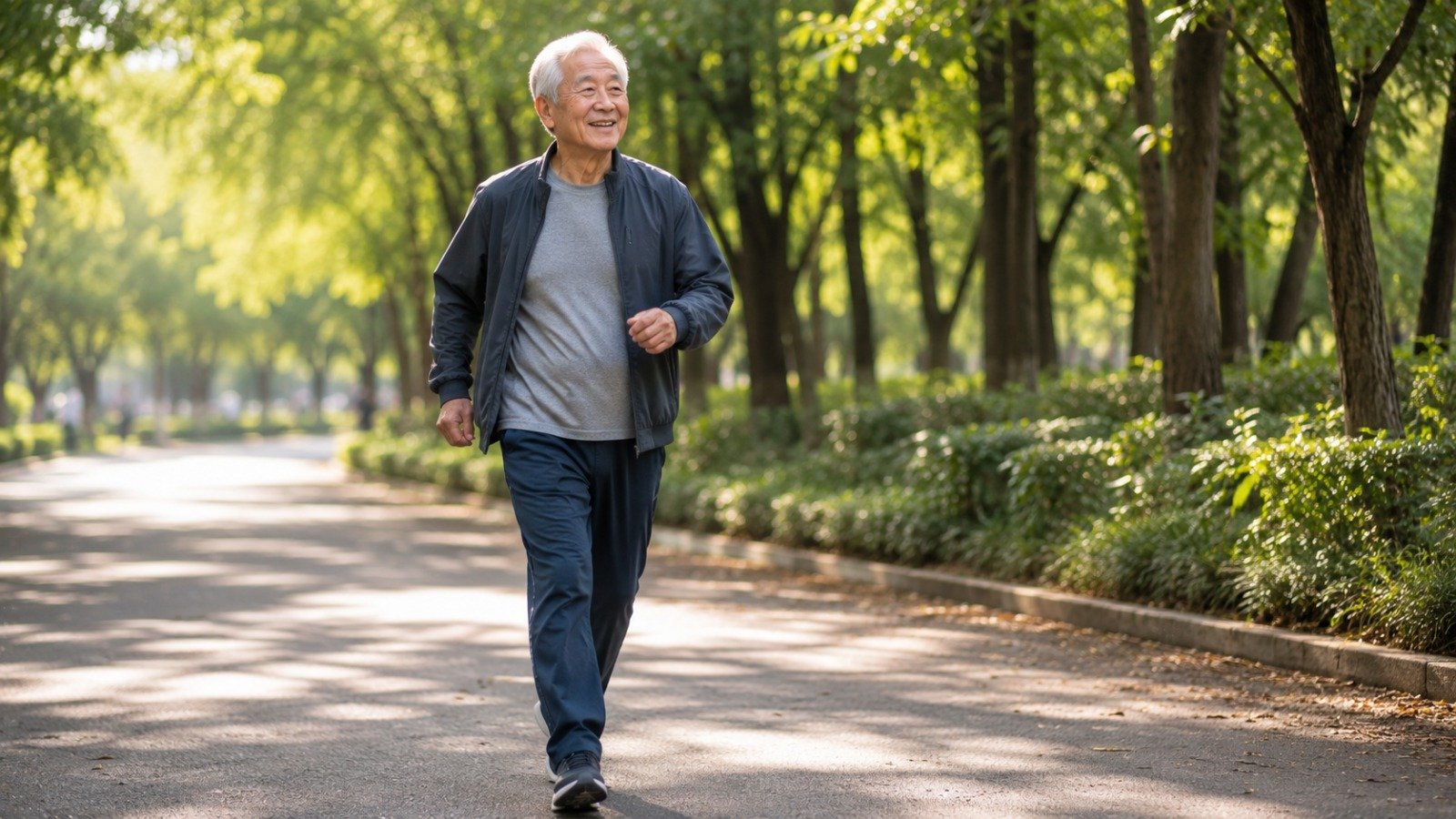
For most of human history, the dream was simply to live longer. More years. That was the goal.
But science has quietly changed that goal. Because living longer is not the same as living well. A person can reach 90 in a care home, unable to recognize their family, unable to move without help, unable to take part in the world. That is a long life. But it is not the goal.
The goal is to live with energy, clarity, strength, and independence for as many years as possible. To be truly healthy not just for the first half of life, but for most of it. And the most hopeful finding in all of this science is that how you age is mostly not written in your genes.
Quick Navigation
- The Goal Is Not Simply to Live Longer
- A Story About Two Lives
- What Longevity Science Actually Studies
- Lifespan and Healthspan
- What Biology Says About Aging
- The Hallmarks of Aging, Explained Simply
- What Your Genes Actually Decide
- The Choices That Slow Aging
- What the Longest-Lived People Have in Common
- How to Age Well Starting Today
- Key Takeaways
- Frequently Asked Questions
- Related Pillars
- Related Articles
- Medical References
The Goal Is Not Simply to Live Longer
Longevity science is the study of how and why we age, and how to add more healthy years to life. And what it has found is amazing. It turns out that most of what decides how you age is not written in your genes.
Research published in the journal Genetics looked at data from over 400 million people. It found that your genes, the instructions for your body that you get from your parents, account for only about 7 percent of the difference in how long people live. Only 7 percent. The other 93 percent comes from the world around you and the choices you make through life.
This is the most hopeful finding in all of longevity science. Your age is not mostly fixed. It is mostly built. Day by day. Choice by choice.
A Story About Two Lives
Picture identical twins. The same parents. The same genes. The same body, given to them on the same day. Both now 75.
The first retired a decade ago and quietly stopped moving. She eats mostly processed food, because it is easy and she lives alone. She rarely goes outside. She has few people she regularly talks to. She takes four different medicines for conditions that have built up over the years. Her doctor tells her she is doing well for her age. But she does not feel well for her age. She feels old. She feels fragile. She feels like her best years are behind her.
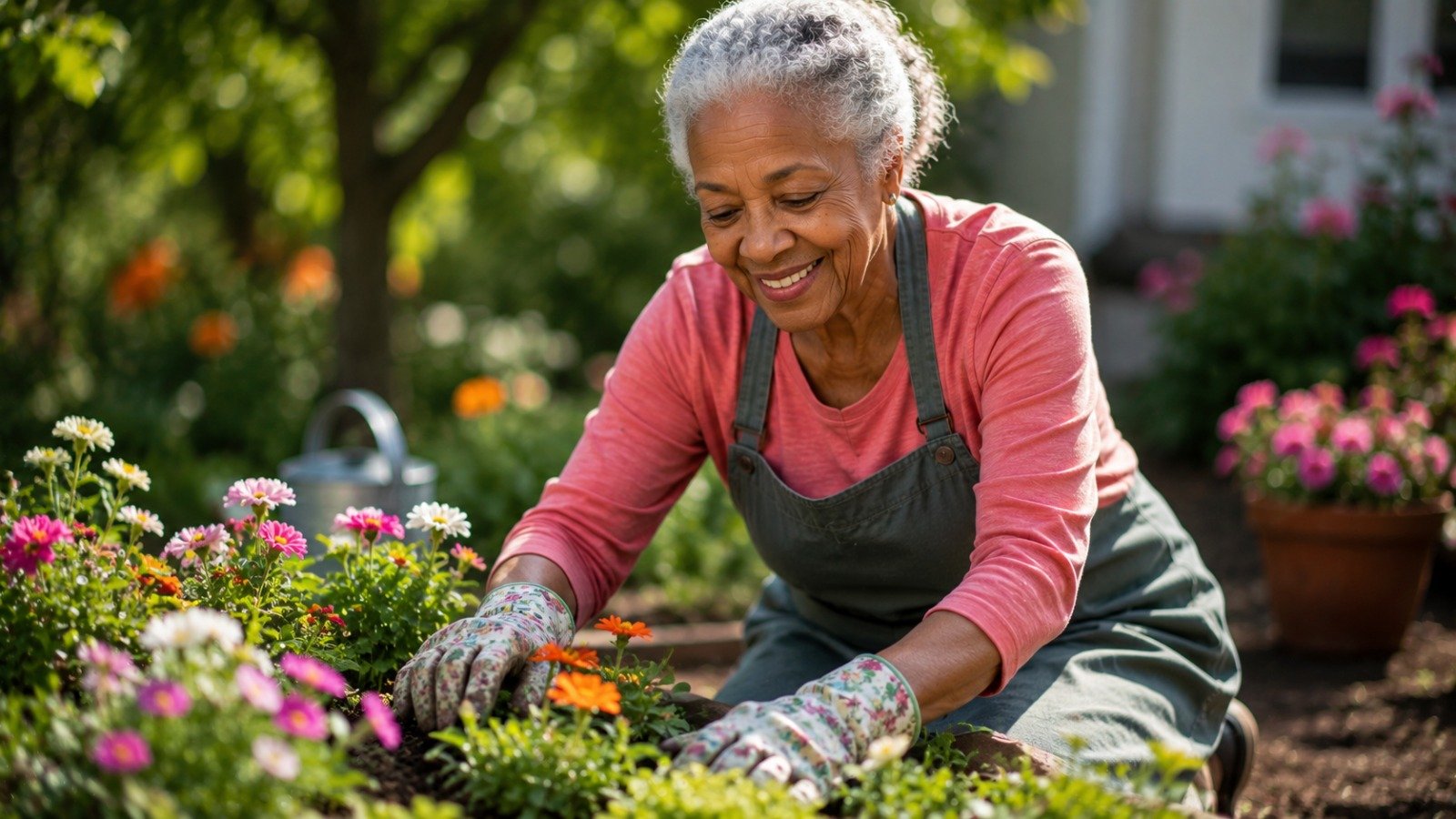
The second walks every morning. She eats mostly vegetables, fish, and whole grains. She has a group of friends she sees often. She tends a garden. She reads constantly. She takes one medicine. She does not feel like her best years are behind her. She feels like herself.
Here is the part worth sitting with. These two women started with exactly the same body. The same genes. Nothing in their biology made one frail and the other strong. They are separated by decades of daily choices. Small ones. Repeated. Choices that quietly built two very different bodies, and two very different lives.
What Longevity Science Actually Studies
Longevity science is the study of aging. It asks three questions. Why do we age? What speeds aging up? And what slows it down, or even partly reverses it?
For most of history, aging was seen as fixed, something nobody could change. You were born, you lived, your body slowly broke down, and you died. End of story. But over the past few decades, researchers have made discoveries that completely changed that view.
Aging, it turns out, is not just a machine wearing down. It is an active process, with real steps that happen inside the body. And many of those steps respond to how you live. That means aging can be shaped. Slowed. In some cases, partly turned back. Not stopped. Not defeated. But truly shaped by how a person lives every day.
Lifespan and Healthspan
Lifespan simply means the total number of years a person lives. Healthspan means the number of those years lived in really good health. With energy. With a body that still works. With a sharp mind. With the freedom to look after yourself.
Think of lifespan as the whole length of a journey. And healthspan as the part of that journey where the road is smooth, the car is running well, and the view is beautiful. The goal of longevity science is not to stretch out the lifespan alone. It is to stretch out the healthspan. The aim is to keep the years of real energy and strength going as far into old age as possible. And to squeeze the weak years at the very end into as short a time as possible.
The World Health Organization says the aim of healthy aging is to keep the ability to do the things that matter to you, for as long as possible. This can be done. The science is clear. And it does not need anything extreme. It needs the same daily choices this whole site has been describing.
What Biology Says About Aging
When scientists look at what actually happens inside the body as it ages, they find a set of certain changes. These are called the hallmarks of aging. A hallmark is just a clear sign of something. So the hallmarks of aging are the main changes inside the body that make us grow old.
Each one sounds hard at first. But each one can be put simply. And, most important of all, each one changes depending on how you live.
The Hallmarks of Aging, Explained Simply
Your body is built from cells, the tiny building blocks of all living things. Most cells keep the body young by dividing to make fresh copies of themselves. But every cell has a limit on how many times it can divide. Think of each cell as holding a set number of tickets for a fairground ride. Once the tickets run out, the cell can no longer get on the ride. It stops dividing. Scientists call these worn-out cells senescent cells, which simply means cells that have reached their limit and stopped. When you are young, the body clears these worn-out cells away quickly. As you get older, it clears them away more slowly, so they pile up. And while they sit there, they leak out chemicals that cause swelling and harm the healthy cells around them.
Deep inside each cell are chromosomes. Chromosomes are the tiny threads that hold the instructions for your body, the plan for how your body is built and run. At the end of each thread is a little cap that protects it, called a telomere. Think of telomeres like the little plastic tips at the ends of shoelaces. The plastic tip stops the lace from wearing out at the end. The telomere stops the thread from getting damaged. But every time a cell divides, its telomeres get a little shorter. When they get too short, the cell can no longer divide safely. So it either becomes a worn-out senescent cell or dies. Shorter telomeres are linked again and again to faster aging and more disease. And here is the hopeful part. How fast your telomeres shorten depends on how you live. Long-term stress, poor sleep, smoking, and sitting still all make them shorten faster. Regular exercise, good food, and good sleep are linked to longer telomeres and slower aging.
Inside each cell are tiny parts called mitochondria that make energy. Each cell holds hundreds, sometimes thousands, of them. Think of mitochondria as the power stations inside every cell. They turn the food you eat and the oxygen you breathe into the energy that runs everything your body does. As you get older, these power stations work less well and give off more harmful waste. You feel that as lower energy, weaker muscles, and a body that takes longer to bounce back. The best way to keep your power stations running well as you age is to move, and especially to work your muscles against a load, like lifting or carrying.
Inflammation is the way the body answers an injury or an infection. Think of it as the body's repair and defense crew rushing to a problem. In a young body, the crew shows up, does its job, and then goes home. As you get older, a low level of inflammation tends to keep quietly burning all over the body and never fully switches off. The crew never goes home. Scientists call this inflammaging. It is simply the mild but never-ending inflammation that comes with age. And it speeds up almost every age-related illness: heart and blood-vessel disease, dementia (a group of conditions that slowly destroy memory and clear thinking), type 2 diabetes, cancer, and sarcopenia (the slow loss of muscle and strength with age).
What Your Genes Actually Decide
Most people think their genes decide how long they will live. They believe far too much of it is fixed from birth. But the evidence from large studies tells a different story.
The research in Genetics found that genes account for only about 7 percent of the differences in lifespan. Older research had guessed 25 to 30 percent. Then this newer, much bigger study brought the number right down. So the truth is this. The choices you make through life shape how long and how well you live far more than the genes you were born with.
Your genes give you a starting point. Your life decides where you go from there. Think of two relatives with the very same family history of heart disease. The first does not smoke. He exercises. He keeps a healthy weight. He keeps an eye on his blood pressure. The second does none of these things. The first has a far lower risk, even though they share the same genes. Same starting point. Very different paths.
The Choices That Slow Aging
Of everything studied in longevity research, regular movement has the strongest and most reliable evidence for adding healthy years. It keeps the tiny power stations inside your cells running. It protects your muscle. It lowers inflammaging. It supports the heart. It keeps the mind sharp. It cuts the risk of nearly every age-related disease. Research published in The Lancet found that too little movement is behind about 5.3 million deaths a year worldwide. That is on the same scale as smoking. Two kinds of movement matter most as you age. The first is exercise that works your muscles against a load. This directly fights the loss of muscle. The second is exercise that raises your heart rate, like walking, swimming, and cycling. This protects your heart, brain, and mood. Doing both together gives the fullest protection.
The way of eating most strongly linked to healthy aging is the Mediterranean pattern. That simply means the traditional way of eating around the Mediterranean Sea. It is built around plenty of vegetables, fruits, beans and lentils, whole grains, olive oil, and oily fish. It is linked to lower rates of heart disease, memory loss, type 2 diabetes, cancer, and early death from any cause. And there is one more simple rule that helps. Try not to constantly overeat, and keep a healthy body weight. Both are good for aging well.
Sleep is when the body does its deepest repair. It is also when the brain cleans itself. It uses the glymphatic system, the brain's overnight waste-clearing network. This network flushes out harmful proteins while you sleep. One of them is amyloid beta, the sticky protein linked to Alzheimer's disease. Going short on sleep for a long time speeds up aging right down at the level of the cells. It shortens telomeres. It raises inflammaging. It blocks the brain's nightly cleaning. Seven to nine hours of steady sleep is one of the most powerful anti-aging tools there is.
Long-term stress speeds up aging in several ways at once. It shortens telomeres. It raises inflammaging. It harms sleep. And it pushes people toward smoking, poor eating, and sitting still. Research published in the Proceedings of the National Academy of Sciences studied people under heavy, long-term stress, those caring for a very ill family member. It found they had clearly shorter telomeres than people under less stress. Managing stress is, quite simply, a way to slow aging.
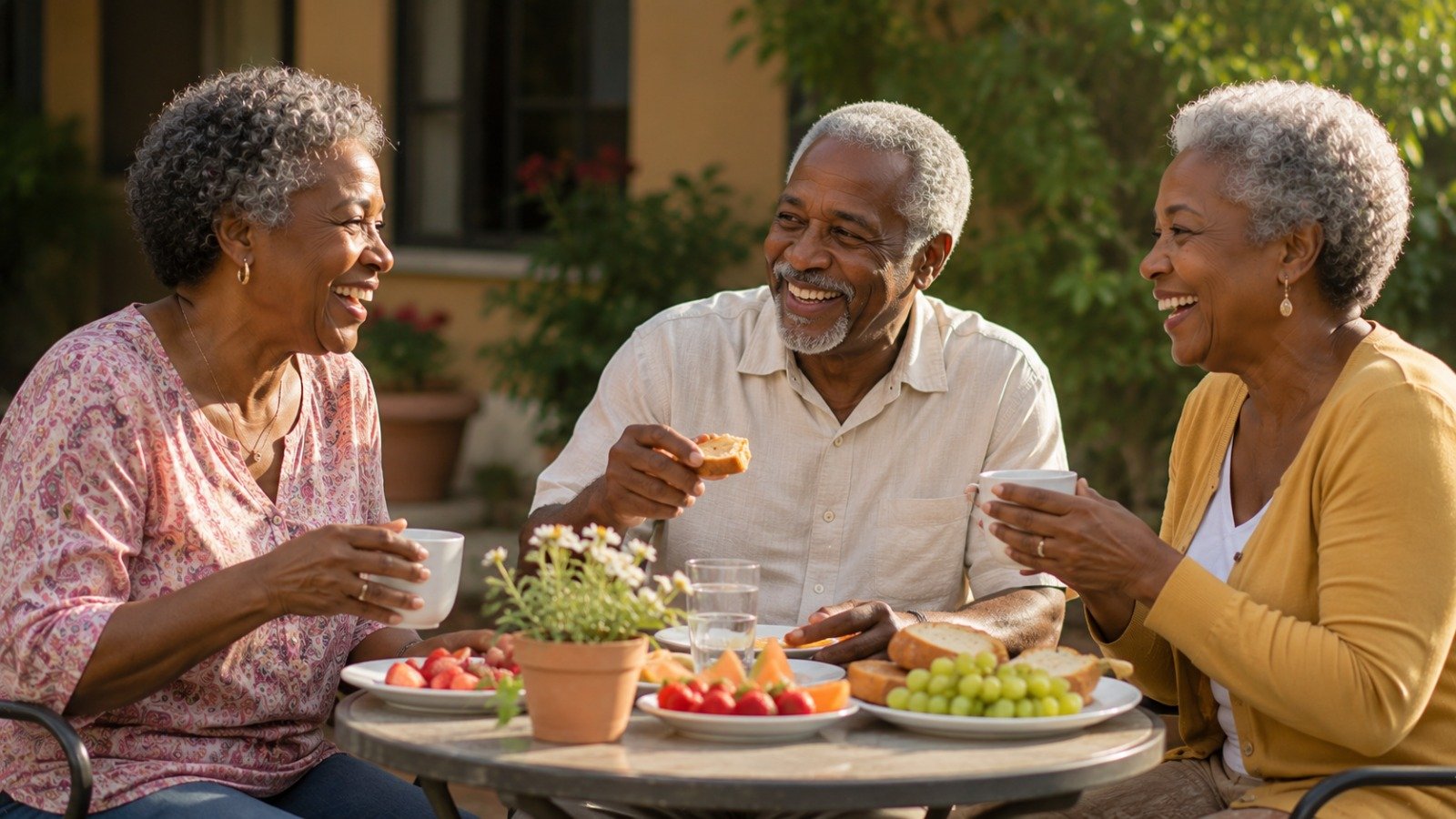
Loneliness speeds up aging. Being cut off from others switches on the stress response and keeps cortisol, the stress hormone, high. It raises inflammaging. It harms sleep. It drains the will to look after yourself. A major review published in PLOS Medicine found something powerful. People with strong social ties were 50 percent more likely to be alive over the study period than people who were alone. Connection is not a soft extra in a long life. It is one of the most powerful things there is.
Smoking speeds up aging at the deepest level. It shortens telomeres. It raises inflammaging. It damages your DNA, the molecule inside your cells that carries your genetic instructions. And it sharply raises the risk of nearly every age-related disease. Stopping at any age brings real benefits. Alcohol also speeds up aging. It shortens telomeres. It feeds inflammation. It harms the liver and sleep. And it raises cancer risk. The more you cut back, the more you gain.
What the Longest-Lived People Have in Common
Researchers have studied communities around the world where people live much longer and healthier lives than average. These places have been called Blue Zones. They include communities in Sardinia in Italy, Okinawa in Japan, the Nicoya Peninsula in Costa Rica, Ikaria in Greece, and Loma Linda in California. They are spread across the world, with very different cultures, yet the same patterns turn up in all of them.
Not through gym sessions. Through everyday activity that is part of ordinary life. Walking. Gardening. Carrying. Climbing. The body used steadily through the day, rather than in one short burst.
Vegetables, fruits, beans, whole grains, and nuts make up most of the diet. Meat is eaten now and then, not daily. Portions are not large, and overeating is not the habit.
Every Blue Zone community has a word for having a reason to wake up in the morning. In Okinawa it is called ikigai, which means a reason for being, a sense that your life has meaning. People with a strong sense of purpose live longer and stay healthier longer.
Prayer, quiet reflection, naps, time with friends, time in nature, every community has a regular built-in way to ease the stress of daily life. And nobody is isolated. People belong to faith groups, social groups, and strong families. They are a deep part of their communities.

How to Age Well Starting Today
Here is the most important idea in all of longevity science. The choices that protect you from age-related disease are the very same choices that make you feel better today. This is not a coincidence. It is biology. What is good for your long-term aging is good for you right now.
Work your muscles against a load at least twice a week to protect your muscle. Raise your heart rate most days. And keep ordinary movement going through the whole day.
Plenty of vegetables. Beans and lentils often. Whole grains. Good protein from fish, eggs, and plants. As little ultra-processed food as you can manage.
Protect sleep as one of the most powerful anti-aging steps you have.
Not by waiting for stress to pass, but through movement, rest, breathing, and people. Belong somewhere. Show up for your relationships. Be known and valued.
There is no level of smoking that helps, and less alcohol always means slower aging.
Purpose is biology. It protects the brain, lowers stress, and adds healthy years to life. Find what yours is, and protect it.
Key Takeaways
- Genes account for only about 7 percent of the differences in how long people live, according to research in Genetics. The other 93 percent is shaped by surroundings and choices.
- The goal is not more years alone. It is more healthy years. The World Health Organization defines healthy aging as keeping the ability to do the things that matter to you.
- Too little movement is behind about 5.3 million deaths a year worldwide, on the same scale as smoking, according to research in The Lancet.
- Telomeres, the little caps that protect the ends of your chromosomes, shorten with age. Stress, poor sleep, and smoking speed this up. Exercise and good sleep slow it.
- Inflammaging, the low-level inflammation that comes with age, drives nearly every age-related disease, including heart disease, dementia, and cancer.
- People with strong social connections were 50 percent more likely to be alive over the study period than isolated people, according to a PLOS Medicine review.
- The longest-lived people move naturally all day, eat mostly plants, have a sense of purpose, ease stress daily, and belong to strong communities.
- The choices that add healthy years are the same ones that make you feel better today. What is good for longevity is good for right now.
- It is never too late. Better choices bring measurable benefits at any age.
Frequently Asked Questions
Is how long I live mostly down to my genes?
No. Research published in Genetics found that genes account for only about 7 percent of the differences in lifespan. Earlier estimates were higher, but larger, more careful studies have steadily brought the figure down. Where you live and the choices you make throughout life account for the great majority of the difference in how long and how well people live.
What is the difference between lifespan and healthspan?
Lifespan is the total number of years you live. Healthspan is the number of those years lived in really good health, with energy, a working body, a sharp mind, and the freedom to look after yourself. The goal of longevity science is not to stretch out lifespan alone, but to stretch out healthspan, so the years of real energy and strength fill as much of your life as possible.
What are Blue Zones?
Blue Zones are regions of the world where people live much longer and healthier lives than average. The five best-known are Sardinia in Italy, Okinawa in Japan, the Nicoya Peninsula in Costa Rica, Ikaria in Greece, and Loma Linda in California. Despite being in very different places, these communities share the same habits: natural movement all day, a mostly plant-based diet, strong social connection, daily stress relief, and a clear sense of purpose.
Can you reverse aging?
Not completely. Aging is a biological process that cannot currently be stopped or fully reversed. But its speed can be changed a great deal. Your biological age, how old your cells and tissues actually are, can be younger or older than the number of years you have lived, depending on how you live. People who exercise, sleep well, manage stress, eat whole food, and stay connected consistently show a biological age younger than their actual years. The goal is not to live forever. It is to shorten the years of decline and lengthen the years of real health.
Is it too late to start if I am already older?
No. The research is completely clear on this. Better choices bring measurable benefits at any age. Starting regular exercise at 70 improves muscle, heart health, and thinking. Stopping smoking at 60 brings real heart benefits within a few years. Improving your food at any age lowers signs of inflammation in the blood. Every day of better choices adds to the account. It is never too late.
What single change has the biggest impact on healthy aging?
Of everything studied, regular movement has the strongest evidence for adding healthy years. It protects muscle, supports the brain, lowers inflammaging, protects the heart, and on its own is linked to a lower risk of nearly every age-related disease. If only one change were possible, the answer is clear: start moving regularly, every day, in any way you find easy and enjoyable.
Ikechukwu Raymond
Founder of Golden Health Science. He built this platform to take the world's best peer-reviewed health science and explain it in plain language. Simply, honestly, and free, for every person on earth.
Related Pillars
Longevity connects most closely to these pillars. Read on to go deeper.
Movement and Physical Performance
The single strongest lever for adding healthy years to your life.
Preventive and Public Health
How catching problems early protects the years ahead of you.
Mental and Cognitive Health
How purpose, connection, and a cared-for brain shape how you age.
MEDICAL REFERENCES
- Kaplanis J et al. (2018). Quantitative Analysis of Population-Scale Family Trees with Millions of Relatives. Genetics. 210(4):1463-1467. academic.oup.com
- World Health Organization. (2022). Ageing and Health. who.int
- Lee IM et al. (2012). Effect of Physical Inactivity on Major Non-Communicable Diseases Worldwide. The Lancet. 380(9838):219-229. thelancet.com
- Holt-Lunstad J et al. (2010). Social Relationships and Mortality Risk: A Meta-Analytic Review. PLOS Medicine. 7(7):e1000316. journals.plos.org
- Epel ES et al. (2004). Accelerated Telomere Shortening in Response to Life Stress. Proceedings of the National Academy of Sciences. 101(49):17312-17315. pnas.org
- Estruch R et al. (2018). Primary Prevention of Cardiovascular Disease with a Mediterranean Diet. New England Journal of Medicine. 378:e34. nejm.org
- López-Otín C et al. (2013). The Hallmarks of Aging. Cell. 153(6):1194-1217.
- Franceschi C et al. (2018). Inflammaging: A New Immune-Metabolic Viewpoint for Age-Related Diseases. Nature Reviews Endocrinology. 14(10):576-590.