
Two branches, one system
One responds instantly without knowing what it fights. The other learns, and remembers.
Pillar 09 of 12
The defense system working right now, while you read this.
You cannot boost it. You can give it what it needs, and stop taking that away.

Choose how you want to read
Get emergency help now. Do not wait for every symptom, and do not wait for a rash. Sepsis and meningitis do not always cause one. Call your local emergency number for confusion or slurred speech, very fast breathing or severe trouble breathing, skin that looks mottled, unusually pale, blue, or gray, a seizure, sometimes called a fit, being very difficult to wake, a severe headache with a stiff neck or pain in bright light, a rash that does not fade under a clear glass, extreme shivering or severe muscle pain, or a strong feeling that something is terribly wrong.
A baby or child under five who has not passed urine for 12 hours also needs emergency help. For a child aged five or older, the warning point is no urine all day. For an adult, it is no urine all day or very little urine in the last 18 hours. These are warning points, not times to wait for.
The main lesson
Sleep, movement, a varied diet, vaccination and managed stress all reach it. Supplements correct shortages rather than adding a bonus. An immune system pushed harder is not a healthier one, because turned up far enough it attacks the body it belongs to.
One responds instantly without knowing what it fights. The other learns, and remembers.
Short-term inflammation is how wounds heal. The problem is the kind that never switches off.
Nothing you do the night before matters as much as what the year before looked like.
One idea, two levels
The immune system is not a volume knob you turn up. It is a system that works properly when it has what it needs and rests when it should. Giving it more than it needs does not make it stronger, and an immune response that will not switch off is a problem rather than an achievement.
Immune function is regulated rather than scaled. The system spends as much effort restraining itself as attacking, because the same tools that destroy a pathogen destroy your own tissue. Autoimmune disease and long-term inflammation are what an over-active response looks like in practice, which is why no serious immunologist uses the word boost. Nutrient supplementation follows the same logic: correcting a deficiency restores function, and exceeding sufficiency has no further effect, because the limiting factor was never the supply. What genuinely changes immune performance across a population is unglamorous. Sleep, vaccination, not smoking, and enough food of enough variety.
While you are reading this, your immune system is working. It never rests and it never waits.
It is watching for harmful germs that may enter with food or air. It is checking cells all over your body for signs of infection or damage. And it is keeping watch for threats you cannot see.
How well it works depends on a great many things: your age, your genes, the vaccines you have had, and the infections you have already met. Any illness you carry and any medicine you take shape it too. So does how you live, which is the part this article is about.
Most people only think about their immune system when it fails them. When they catch a cold that will not go away. When they seem to get ill more often than other people. When they recover more slowly than they used to.
Sometimes daily life has made the immune system’s work harder. Poor sleep does that, and so does long-term stress, meaning stress that goes on and on with no relief. So does too little movement, or a diet that does not provide enough of what the body needs. But frequent illness can have many causes, and it should not automatically be blamed on lifestyle.
This article is about how your immune system really works, and what it needs to work well. The aim is not to push it past normal, but simply to give it what it needs to do the job it was built for.
Mei and Thomas are not real patients. They were written for this guide. Nothing that follows is a case history, a diagnosis, or a prediction about any real person.
Picture two people, Mei and Thomas. They are both 43 and live in the same town, breathing the same air and meeting the same germs every day.
Mei gets ill four or five times a year, and each illness drags on well past the point where she expects to feel better. A chest infection cleared two months ago and her energy never came back with it. She is on her second course of antibiotics this year, medicines that fight bacterial infections, and she can name the month of each one, because each one cost her a week she did not have to give. She is tired more days than not. Her cuts heal slowly. The dark circles under her eyes never quite fade, and she has stopped seeing them the way you stop seeing a picture that hangs crooked. None of it arrived on a particular day, which is why she has never thought of it as something that started. She calls it a bad run, and she has been calling it that for two years.
It is the wrong name for it. Infections that keep coming back, lasting tiredness, and cuts that heal slowly go together in a way a doctor should look into. Diabetes can look like this, and so can low iron, thyroid trouble, a lung problem, a medicine she is taking, or a condition affecting immunity itself. Mei needs a doctor before she needs a health article.
Thomas gets ill perhaps once a year, and when he does he is over it in a few days. He has not needed antibiotics in three years. His energy holds through the afternoon. His cuts heal cleanly. He sleeps seven or eight hours most nights, which is less discipline than it sounds, because it is a habit left over from years of an early shift. He walks the last part of his commute because the bus stop moved and he never found a better way around it. He eats vegetables at most meals because that is what gets cooked at home. And he is not under the kind of stress that never lets up, which is partly the job he happens to have and partly luck.
None of that makes Thomas’s immune system strong in the way people mean when they use the word. It means his body is not being asked to run a defense while short of sleep, short of what food should be giving it, and under strain that never eases. That is a smaller claim than the one people usually make, and it is the true one.
Mei and Thomas live in very different ways, and the difference is not one habit but several of them pulling in the same direction. Sleep, food, movement and stress all reach the immune system, and they reach it at the same time. That is worth noticing.
It is not the whole picture. They do not share genes, childhood infections, vaccinations, work exposure, housing, or the medicines and conditions behind them. Every one of those shapes how well a body defends itself.
Immune protection comes from the body you were born with and from what it has met since. Healthy habits support it. They do not build it from nothing.
The immune system is not a single organ. It is a vast network spread through the whole body, working everywhere at once.
Think of it like a country’s defense network. Different branches handle different threats, with different weapons for different enemies. There are intelligence units that remember past attackers, rapid response teams for sudden danger, and constant communication between all of them.
The key players are white blood cells, the cells your body builds to fight infection. They find and destroy threats, and they do a great deal besides. They coordinate the response and make antibodies, proteins shaped to lock onto one particular germ. They help control inflammation, which is the body’s response to injury and infection. They clear away damaged cells, and they help bring the whole effort to a stop once it is done. They come in many types, each with its own task.
Those cells need somewhere to live, travel and train. The lymphatic system is a network of thin tubes and small glands that carries immune cells around the body, so think of it as the road network they travel along. The spleen, an organ on the upper left of your belly, works like a filter, cleaning the blood and pulling out damaged or infected cells. The thymus, a small gland in the chest, works like a training school, where certain immune cells learn their job before being sent out. And the bone marrow, the soft tissue deep inside your bones, is the factory where most of your immune cells are made.
And there is the gut. A large part of your immune system sits in and around it. So does the gut microbiome, the huge community of tiny living things in your digestive system. It takes part in how your immune cells develop and behave.
All of these parts talk to each other and work together without stopping. The immune system is the body’s main defense against infection. Against cells that start to grow the wrong way, and against harmful things that get in from outside.
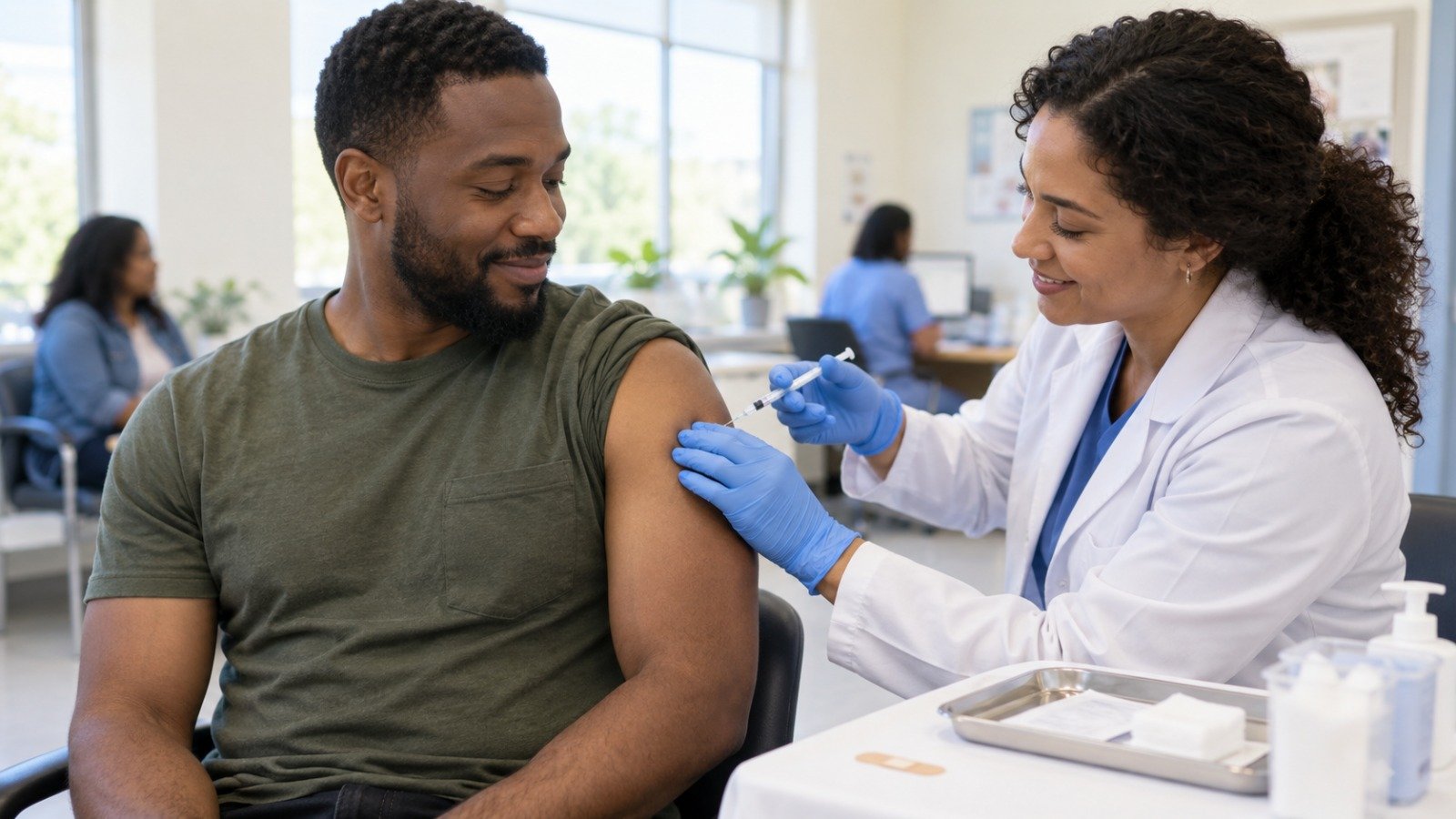
The immune system has two main branches. They work together, but they do their jobs differently.
This is your first line of defense, and it responds the instant a threat appears. A pathogen is a germ that can cause disease, such as a bacterium, virus, fungus, or parasite. The moment a pathogen gets into the body, this branch goes to work. Viruses are an odd case. They are not really alive in the way the others are. Parasites are living things that live inside another body and cause harm.
This branch does not simply attack anything foreign. It recognizes patterns that signal infection or damaged tissue, including damage that started inside your own body. Think of this fast branch as the border guards. They are always posted at the line between you and the outside world. They do not stop to study exactly what the threat is. They see that something dangerous has crossed the line. They attack at once. Inflammation is one of their main weapons. The heat, redness, swelling, and soreness around a cut are signs that this branch is actively fighting.
This is your second line of defense. It is slower to get going, but far more precise. This branch studies the exact invader and builds a weapon aimed precisely at it, like a key cut to fit one single lock. That weapon is the antibody. Some antibodies stop a virus or a poison from working at all. Others block it from attaching to your cells, or mark it for other parts of the system to finish off.
Antibodies are not the whole of this branch. T cells do work of their own. T cells are a kind of white blood cell. They direct the response, and they kill cells that have already been infected. Think of this branch as a specialist team, called in after the border guards raise the alarm. The specialists study the enemy in detail. They build the perfect antibody for that one invader. Then they do something remarkable. They remember.
Many infections, and vaccines, leave behind what scientists call immune memory. That is the immune system’s ability to recognize something it has met before and respond faster. Not every infection leaves a strong memory. Memory fades with time. And some germs change enough to get past it. When it works, the branch knows the invader at once. It attacks before the invader can grow. This memory is the whole idea behind vaccines. A vaccine safely shows the body something to recognize, or gives it instructions to make that thing itself. Different vaccines do this differently, using a germ that has been weakened or killed, a piece of one, a poison that has been made harmless, or a set of instructions. The smart branch studies whichever it is, builds the antibody and the memory, and stands ready if the real thing arrives.
Vaccination is the single most effective protection against many serious infections, and nothing else in this article replaces it. Follow the schedule where you live, for children and adults alike, and ask your doctor which seasonal or risk-based vaccines apply to you.
Innate · the fast branch
Responds the instant a threat appears. It does not stop to study what the threat is; it recognizes patterns that signal infection or damaged tissue, including damage that started inside your own body, and attacks at once.
Inflammation is one of its main weapons. It keeps no memory of what it fought.
Adaptive · the smart branch
Slower to get going and far more precise. It studies the exact invader and builds an antibody cut to fit that one lock, while T cells direct the response and kill cells already infected.
And it remembers. Immune memory is why vaccines work, and why some illnesses are had only once.
Inflammation is one of the most misunderstood words in health. Most people think of it as purely bad, something to get rid of. But short-term inflammation is not the enemy. That is the kind that flares briefly, in response to one event. It is essential.
When you cut your finger, the area turns red, warm, and a little swollen. That is short-term inflammation. Think of it as the emergency repair crew arriving at a damaged site. They block off the area. They bring in their equipment. They start repairs. The redness and swelling are signs that the repair is underway. Without this response, wounds would not heal and infections would spread unchecked.
The problem is the other kind, long-term inflammation. This is when the emergency repair crew never leaves. The barriers stay up and the equipment keeps running, week after week and year after year, with no real emergency to fix.
Long-term inflammation is not one single thing. It varies with the illness and the tissue. It can rise and fall. It may sit in one place, or spread through the body. What it shares is that it does not switch off when it should.
Long-term inflammation can harm blood vessels and worsen insulin resistance, so your cells respond less well to insulin. It is involved in heart disease, type 2 diabetes, Alzheimer’s disease, and some cancers. Its role differs in each condition, and inflammation is not the only cause. Research in Nature Medicine describes long-term low-level inflammation as one important process linked to aging and many age-related diseases.
One idea, two levels
The inflammation around a cut is visible: red, warm, a little swollen. The long-term kind is not. It is chemical rather than physical, it sits at a low level, and there is nothing to see or feel. That is exactly what makes it a problem worth measuring rather than noticing.
Short-term inflammation is a coordinated local response with a defined end, and the redness and swelling are the repair itself. The long-term kind is not one thing: it varies with the illness and the tissue, rises and falls, and may sit in one place or spread. What the versions share is a failure to switch off. It is implicated in heart disease, type 2 diabetes, Alzheimer\u2019s disease and some cancers, with a different role in each, and it is never the only cause of any of them. Nothing about it produces the visible signs of the acute kind, which is why treating swelling as the marker of inflammation misreads the entire problem.
And here is the connection that ties this whole site together. The causes of long-term inflammation are exactly the things every pillar warns about: poor diet, poor sleep, too little movement, long-term stress, carrying too much body fat, smoking and alcohol. Each reaches inflammation by its own route, and those routes overlap, which is why the same list keeps turning up.
Minutes, not years
This guide has argued that a defense turned up is not a defense improved. Anaphylaxis is a severe allergic reaction that can quickly make breathing hard or cause a dangerous fall in blood pressure. It is that sentence at full speed. It is not a weak immune system, and it is not an overworked one. It is the whole system firing at something harmless, everywhere at once, and every bit of the harm comes from the response rather than from the thing that set it off. It may happen without a rash.
A woman has been stung by wasps three times in her life, and each time the sting swelled and then went down. Weeding the same border in the same garden, she is stung a fourth time, and within minutes the swelling is in her throat instead of her hand. Nothing about the first three stings predicted the fourth.
Notice what the trigger was. Anaphylaxis is not only a reaction to food or medicine. Insect venom, latex and even exercise all cause it, and in a proportion of people no trigger is ever found. What these cases share is the response, not the cause.
What it looks like
What to do, in this order
Three things people get wrong. Carry two in-date auto-injectors, not one. Triggers are not only food and medicines: insect stings, latex and exercise all cause anaphylaxis, and in some people no trigger is ever identified. And a mild reaction in the past does not predict a mild reaction next time.
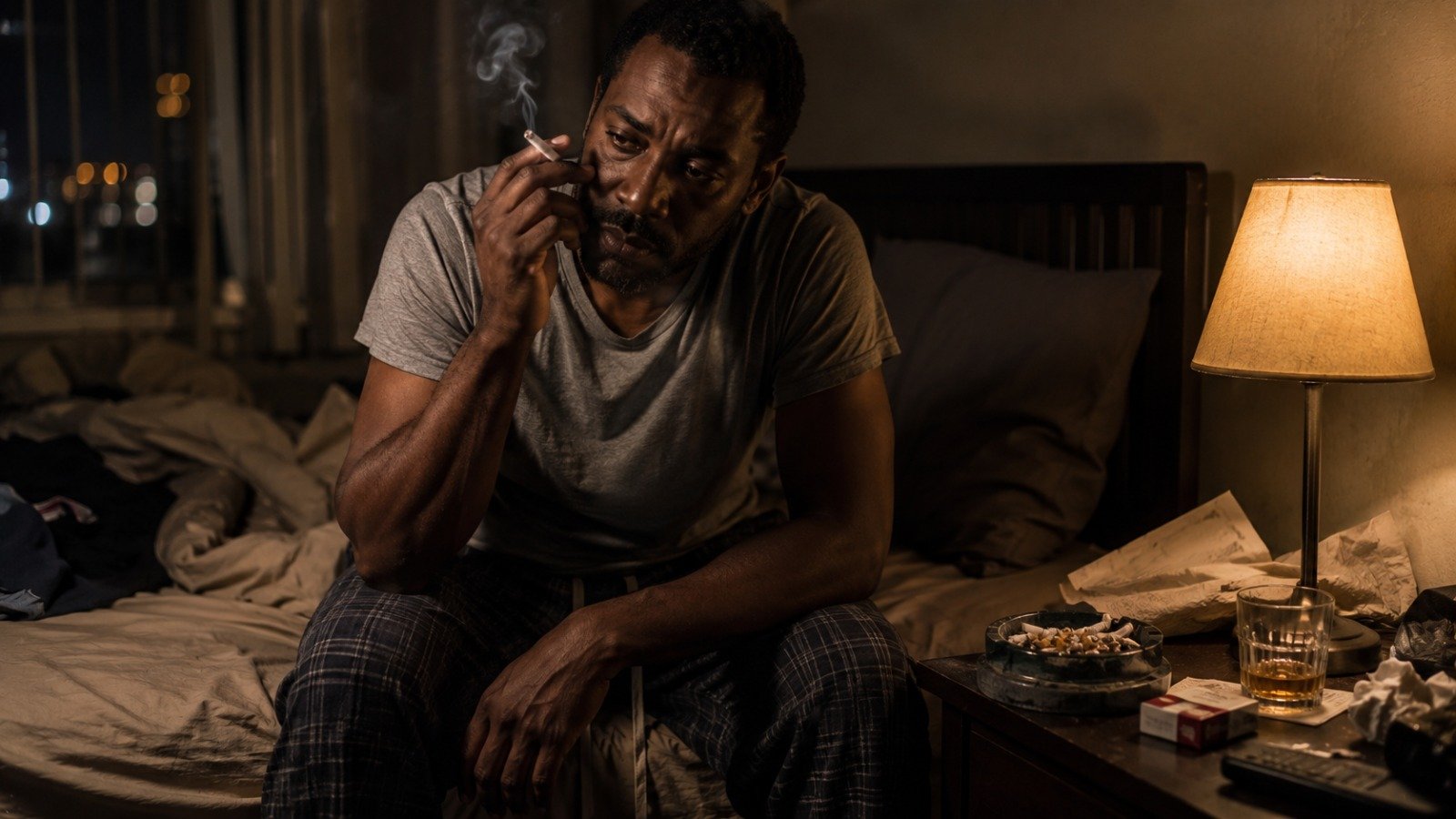
The story so far. Mei is not simply unlucky. Some of what is holding her defenses down is ordinary, and the next section names five things every reader will recognize. But getting ill four or five times a year still needs a doctor to look for a cause. As this article said earlier, Mei needs an appointment before she needs an article.
Immune function is shaped by many things: age, genes, past infections, vaccines, health conditions, medicines, and daily habits. Here are five of those habits, and how each one affects the way the body’s defenses work.
Your immune system works around the clock, not only at night. What sleep does is shape how it is regulated, and how it remembers what it has met. Cytokines are signaling proteins that let immune cells talk to each other and coordinate a response. Some drive inflammation, some hold it back, and some direct how cells develop. Their levels follow daily rhythms, and sleep influences them. Short sleep, night after night, is linked to fewer antibodies after a vaccine. And to a higher chance of catching a cold when exposed. Research published in the journal Sleep followed 164 healthy adults. Their sleep was measured with a wrist monitor for a week. They were then given nose drops containing a cold virus, under quarantine. Compare the people who slept under six hours a night with the people who slept more than seven. The short sleepers were more than four times as likely to come down with a cold. In the study as a whole, about 3 people in every 10 caught one.
Sleep still stood out after the researchers allowed for age, stress, smoking and other differences between the people. It was not the only thing separating those people. And one study does not make eight hours a shield. But it is a striking result, and the direction is consistent with everything else here.
Stress reaches your immune system by several routes at once. It works through nerves and hormones, through changes in sleep, eating and drinking, and through how connected or isolated a person is. One of those hormones is cortisol, your slow stress hormone. Cortisol patterns differ between people and situations. The picture is less tidy than one hormone staying high. Research published in the New England Journal of Medicine exposed volunteers directly to cold viruses. Those under heavy mental stress were much more likely to fall ill.
The immune system needs certain vitamins and minerals to work. Vitamin D helps regulate several immune processes, and it keeps bones healthy. Your skin makes it in response to sunlight. Being low on it is not the same as having no defenses. Zinc helps many immune cells grow and do their job. A real shortage impairs that. Taking extra when you already have enough does not push it higher. Vitamin C supports several cell functions and acts as an antioxidant. An antioxidant is a substance that protects your cells from damage. Think of that damage as sparks from a fire. A few are harmless. Many will burn the surrounding tissue. Antioxidants put the sparks out.
Regular physical activity supports immune health. Whatever level suits your health and ability. Exercise temporarily moves more immune cells through the blood, but that does not automatically mean better protection. Researchers are still working out how much this shift matters. What is clearer is that regular activity can help lower long-term inflammation. It also supports sleep, metabolic health, and the gut. All of these can influence immune function.
Smoking and heavy drinking can both weaken important defenses. Smoking damages the cilia in your airways. Cilia are the tiny hair-like brushes that line your air passages and sweep germs and dirt out. Think of them as tiny brooms. Smoking damages the brooms and makes it harder for the airways to clear harmful material. Some function can recover after stopping. Heavy drinking, especially over time, can disrupt immune responses, harm the gut lining, and change the gut microbiome. The effects depend on how much a person drinks and for how long.
The story so far. Thomas sleeps deeply and wakes rested. Mei does not. Of everything separating them, this one carries more weight than most people would guess.
Sleep is not just helpful for immunity. It is essential in a way nothing else can replace.
During sleep, many immune signals follow their daily rhythm. The body makes and releases cytokines, those signaling proteins, and sleep also affects how T cells work. Think of T cells as specialist soldiers, each one trained to recognize a particular target.
Research published in the Journal of Experimental Medicine found one way sleep may support T cells. It improved the stickiness that helps them attach to a target. During sleep, stress hormones drop, and when those hormones are high they interfere with this. The study showed the mechanism. Proving that sleep makes the whole defense stronger would need a different study.
Regularly getting too little sleep is linked to changes in immune function and a greater chance of some infections. Protecting sleep is one practical way to support immunity. Every single night.
Think of food as supplies for an army. No supplies, no fight, however brave the soldiers.
Your immune system runs the same way. These are the supplies that matter most.
Vitamin D helps regulate several immune processes and is also essential for bone health. Being low on it does not leave you defenseless, but correcting a shortage matters. Your skin makes vitamin D in response to sunlight. Shortage is more common in places with weaker winter sunlight. Some health authorities advise vitamin D supplements during fall and winter, or for people at higher risk of shortage. Advice differs by country, age, skin tone, diet, and health. Follow local guidance or ask a healthcare professional what is right for you.
Zinc is a mineral needed to build and run immune cells throughout the body. A true shortage can impair both branches of immunity, the fast one and the smart one. Good sources include meat, shellfish, beans, lentils, chickpeas, seeds, and nuts.
Vitamin C supports several functions of immune cells and helps protect cells from damage. Good sources include citrus fruits such as oranges and lemons. Also kiwi, peppers, broccoli, and strawberries.
Omega-3 is a family of healthy fats. Oily fish like salmon, mackerel, and sardines supply the two forms called EPA and DHA. Walnuts and flaxseeds supply a plant form called ALA. The body converts only a small amount of ALA into EPA and DHA, so the sources are not a straight swap. The body uses omega-3 fats to make substances involved in controlling and resolving inflammation. Think of them as some of the signals that help the repair crew know when its work is done. They are not the only signals, and omega-3 is not an off switch for inflammation.
Fiber is the part of plant food your body cannot fully break down. Some kinds feed gut bacteria, which make substances that can affect the gut lining and immune function. Much immune tissue sits in and around the digestive tract. A varied, fiber-rich diet can support this system, but no single food or microbiome pattern guarantees protection from infection.
Regular movement is one of the most reliable habits for immune health. And some of the effect is well understood.
When you move, blood circulates faster, and muscle movement helps lymph flow. Lymph is fluid that travels through the lymphatic system and carries immune cells. Exercise also causes a temporary rise in some immune cells in the blood. Think of gentle exercise as helping traffic move through the body’s defense network. Scientists are still studying how much these short-term changes affect protection from infection.
Research published in the British Journal of Sports Medicine found something encouraging. People reporting more activity and better fitness had fewer days of nose, throat and airway symptoms. And milder symptoms when they did fall ill. That study only watched people. Nobody was told to exercise. It counted the days people had symptoms. Nobody was tested to confirm what was making them ill. Regular movement also lowers long-term inflammation, supports a healthy gut, and improves sleep. All three of those feed back into stronger immunity.
One important word, though: balance. Long periods of very hard training, especially with poor sleep, low food intake, or too little recovery, are linked to more illness in some athletes. Scientists no longer view this as a simple period when an immune “door” is left open. For most people, this is not a worry. Regular moderate movement supports general health and normal immune function.
One idea, two levels
Regular movement supports immunity in several ways at once. Very hard training on poor sleep and too little food is a different situation, and it goes with more illness in some athletes.
The older explanation, an immune “open window” after hard exercise during which infection could slip in, is no longer how scientists read this. The measured changes are largely a redistribution of immune cells rather than a loss of them, and the raised illness rates in heavily training athletes track with the accompanying conditions, insufficient sleep, low energy intake and inadequate recovery, more cleanly than with the exercise itself. The evidence on ordinary activity runs the other way: people reporting more activity and better fitness had fewer days of nose, throat and airway symptoms, and milder symptoms when ill. That study only watched people, nobody was told to exercise, and nobody was tested to confirm what was making them ill.
Research has found a meaningful link between long-term stress and immune function.
Cortisol helps regulate inflammation and immune activity. In short bursts, the stress response can change some immune functions in useful ways. Long-term stress is more complicated. It can alter immune signaling directly and can also disturb sleep, eating, drinking, and other habits that affect health.
Think of a slow leak rather than a burst pipe. Nothing dramatic, just a steady drain, day after day.
Over time, these changes may make some people more likely to become ill or recover more slowly. The effect is not the same in everyone, and stress is never the only factor.
That pattern is what the New England Journal of Medicine study described earlier found. Volunteers were deliberately exposed to cold viruses, and those under heavy stress fell ill more often. Managing stress is part of protecting immunity.
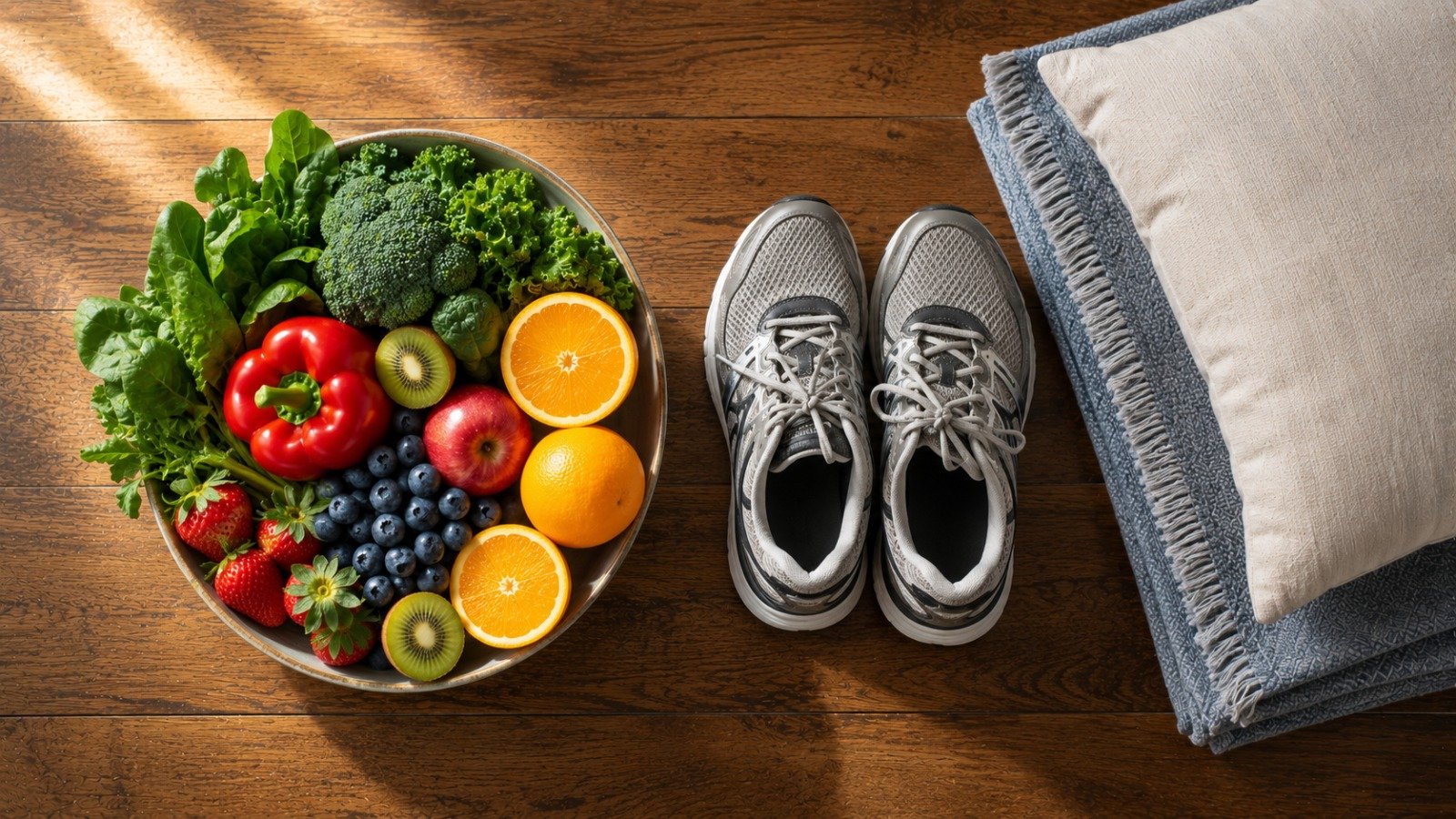
The story so far. Mei does not need a supplement shelf to catch up with Thomas. What follows is the short list, and the first item costs nothing at all.
Here is the encouraging part. You cannot control every influence on immunity. But several important habits are within reach, and many cost little or nothing. These are the habits that matter most.
Sleep shapes how well your immune system is controlled, and no tablet replaces it. Aim for seven to nine hours.
Regular activity lowers long-term inflammation and supports the gut. Health authorities suggest 150 to 300 minutes of moderate activity a week, spread however suits you. Plus strength work twice a week. Some movement always beats none.
Different colors of vegetables and fruits carry different vitamins, minerals, and antioxidants. Together they give the immune system its foundation. Aiming for 30 different plant foods a week is a good way to keep the variety up. That target comes from research on the mix of microbes in the gut, not on infections. Treat it as a useful habit. It is no proven shield.
Less sunlight means your skin makes less vitamin D. In some places, winter sunlight may be too weak for the skin to make enough. Supplements mainly exist to stop you running short, and to protect your bones. They may help a little against some chest infections. Needs differ by age, skin tone, diet, pregnancy and where you live. Follow your local guidance. Getting outdoors is good for movement and mood. Sitting out in strong sun with no protection is not a way to treat your immune system.
Managing stress supports your general health. It may also help how well your immune system is controlled. Every tool for handling stress is worth having.
Smoking damages and paralyzes the cilia, the tiny brooms that sweep germs out of your airways. It also disrupts immune responses throughout the body. There is no amount of smoking that helps immune health.
Heavy drinking can disrupt immune responses and increase the risk of some infections. Drinking less, or stopping, reduces that harm.
Nothing else on this list comes close to what vaccines do against specific serious infections. Follow the schedule where you live, for children and adults. Ask your doctor which seasonal or risk-based ones apply to you.
Time outside is good for movement, daylight and mood. Sunlight on skin helps the body make vitamin D. But winter sunlight may not be strong enough for the body to make enough. Burning is never worth it.
Start here
Protect your sleep tonight and take a short daily walk. Sleep and regular movement support general health and normal immune function, and both can be free.
The most important rule comes first. Trust what you see. If someone is seriously ill or getting worse quickly, get emergency help now. Do not wait for every symptom. And do not wait for a rash.
Call your local emergency number if an adult or child has any of these serious signs:
These are warning points, not times to wait for. Get help sooner if the person is getting worse, a young child is feeding poorly, or a baby has fewer wet diapers than usual.
These can be warning signs of sepsis, meningitis, or another serious illness. Symptoms are not the same in everyone. A person may not have every sign.
A rash that does not fade under a clear glass can be a serious warning sign. But sepsis and meningitis do not always cause a rash. On brown or black skin, a rash or color change may be harder to see. Check lighter areas, including the palms, soles of the feet, inside the eyelids, and roof of the mouth.
A baby under three months with a temperature of 38°C, or 100.4°F, or higher needs urgent medical assessment. Seek help promptly if you think the baby has a high temperature, even when you cannot measure it.
Fever during chemotherapy can be a medical emergency. Follow the temperature instructions given by the cancer care team. Contact that team immediately if the temperature reaches its stated limit, or if the person feels unwell, cold, or shivery. If you cannot reach the team, seek urgent medical help. Do not take medicine to lower the fever before calling unless the care team has told you to do so.
Get urgent medical advice for a fever that is worsening, not improving, or accompanied by severe pain, dehydration, breathing difficulty, or other worrying symptoms. When someone has a weakened immune system, seek advice sooner.
This article started with Mei getting ill four or five times a year and calling it her normal.
Everything since then has been about ordinary things that can shape how well the immune system works: sleep, stress, food and movement. And vaccines, which provide strong, specific protection against many serious infections.
All of it is worth Mei’s attention. None of it is the first step.
Four or five infections a year, tiredness that will not lift, and cuts that heal slowly is a pattern a doctor should look into. It could be diabetes, low iron, a thyroid problem, a lung problem, a medicine, or something affecting immunity itself. Those need finding, not sleep advice.
So the honest ending is the one this article began with. Mei needs an appointment first. The rest of this article is what she does alongside whatever that appointment finds.
The Main Lessons
The immune system never stops. How well it works depends on your age and genes. On your vaccinations. On any illness or medicine you carry. And on how you live.
Adults who slept under six hours were more than four times as likely to fall ill. That was 164 people, sleep measured with a wrist monitor, then exposed to a cold virus. From research in the journal Sleep.
People under heavy mental stress were much more likely to fall ill after exposure to a virus. From research in the New England Journal of Medicine.
Sleep was linked to a cellular change that may help T cells stick to their targets. T cells are the immune system’s specialist soldiers. From research in the Journal of Experimental Medicine.
A large part of the immune system sits in and around the gut. Gut microbes take part in how immune cells develop and behave.
Long-term inflammation contributes to aging and age-related disease. Its role differs between conditions, according to research in Nature Medicine.
Greater physical activity was linked to fewer days of nose and throat symptoms. That research only watched people. Nobody was put on an exercise plan. It came from the British Journal of Sports Medicine.
Vitamin D helps regulate several immune processes, as well as protecting bone health. Whether you need a supplement depends on where you live, your skin, your diet and the season. Follow local guidance.
Vaccination is the most effective protection against many serious infections. Alongside it, sleep, movement, plant-rich food, stress management and not smoking all support normal immune function.
Golden Nugget
Every weapon your immune system owns can destroy you as easily as it destroys an invader. That is why the system spends as much effort restraining itself as attacking, and why a defense turned up is not a defense improved. Health here looks like proportion, not force.
Start with how much is actually more. How much you are around germs counts for a great deal. Parents of young children, teachers and health workers meet far more germs than most people.
Daily habits do matter. Short sleep, long stress, a diet low in what the immune system needs, smoking and heavy drinking all play a part, and all of it is worth attention.
But frequent illness is not automatically a lifestyle problem. Infections that keep coming back, or are severe, unusual, or slow to clear, should be checked by a doctor. Diabetes can be behind it, and so can asthma and other lung conditions, immune-suppressing medicines, or disorders of the immune system itself. See a doctor rather than assuming it is your habits. Fixing what you can control is worth doing, but it is not a substitute for finding out.
The idea of boosting immunity is popular but misleading. What you want is an immune system that answers when needed and settles when the danger has passed. Not one turned up as high as it will go. Autoimmune disease is not simply immunity set too strong. It happens when the system loses tolerance for the body’s own tissue. Genes and the world around you both play a part. The goal is to support normal immune function. Sleep, nourishing food, movement, stress management, avoiding smoking, and recommended vaccines can all help. Supplements are useful when they correct a shortage or meet a medical need. They do not replace these foundations.
Vitamin C matters for immune function. For most people extra vitamin C in a tablet does not prevent colds at all. It may shorten one slightly. It helps more in people under heavy physical stress, like long-distance runners. For most people, a varied diet rich in fruits and vegetables gives enough vitamin C. That does more good than a supplement alone.
Regular moderate exercise supports general health and normal immune function. It temporarily moves more immune cells through the blood and can help lower long-term inflammation. Very heavy training combined with too little food, sleep, or recovery is linked to more illness in some athletes. For most people, regular movement brings far more benefit than risk.
Genuinely important. Much immune tissue sits in and around the digestive tract. Gut microbes can influence how immune cells develop, how the gut barrier works, and how inflammation is controlled. Scientists are still learning what a healthy microbiome looks like for each person. A varied diet rich in fiber-containing plant foods can support gut health. Fermented foods may suit some people, but they are not required and do not prevent infection on their own.
A fever is part of how the body answers many infections. A higher temperature may slow some germs and support parts of the immune response. But fever is not proof that the fight is going well. Serious infections can come with a high fever, a mild one, or none at all. This is especially important in older people and anyone whose immunity is weakened.
Rest and fluids can help. Fever-reducing medicine may ease discomfort when it is safe for that person, but follow the label or professional advice. During chemotherapy, contact the cancer care team before taking fever-reducing medicine unless the team has told you otherwise, because it can hide an important warning sign.
Call your local emergency number if a person with a possible infection has any of these:
Do not wait for every sign, and do not wait for a rash.
A baby under three months with a temperature of 38°C, or 100.4°F, or higher needs urgent medical assessment now. Get urgent medical advice if the person cannot keep fluids down, passes much less urine than usual, has a fever that is getting worse, or has other worrying symptoms. If the person is seriously ill or getting worse quickly, get emergency help.
Start with regular, adequate sleep. In one controlled study, adults who regularly slept under six hours were more likely to develop a cold after exposure to the virus than those who slept more than seven hours. Also wash your hands properly, improve indoor airflow when possible, keep recommended vaccines up to date, stay active, and eat a varied diet. Ask about vitamin D if local guidance or your personal risk suggests it. Adults often have several respiratory infections in a year, especially when they are around children or many other people. Infections that are unusually frequent, severe, slow to clear, or happening every few weeks deserve medical advice.
Cold air does not cause infection. Viruses do. But winter helps them along in real ways. People spend longer indoors and closer together. Rooms get less fresh air. Drier air suits some viruses, and dries the protective lining of your nose. Vitamin D falls too. That is one thread, not the whole explanation. So the season matters, just not for the reason people often give. Going outside with wet hair will not give you a cold.
Zinc lozenges started within the first day may shorten a cold in some trials. Results vary a lot with the type of lozenge and the dose. High intake can cause nausea, and long-term excess can cause copper deficiency. Zinc also interacts with some medicines, so check before adding it. Avoid zinc products sprayed into the nose, which have been linked to permanent loss of smell.
The evidence for echinacea is still mixed, both for stopping a cold and for treating one. Neither one prevents colds, and neither replaces sleep and rest, which do more.
No. Colds are caused by viruses, and antibiotics do not treat viruses. Taking antibiotics when they are not needed can cause side effects, disturb gut bacteria, and add to antibiotic resistance. Green mucus alone does not prove a bacterial infection. If symptoms last beyond about ten days, worsen after starting to improve, or worry you, seek medical advice. Call your local emergency number for new confusion, severe trouble breathing, collapse, or new unexplained chest pain. Get urgent medical advice for milder breathing problems, signs that the body has lost too much fluid, or any clear worsening. Seek advice sooner if you are pregnant, have a weakened immune system, or live with a serious condition. Some illnesses that begin like a cold can develop bacterial complications that need treatment.
You may have heard the above-the-neck rule. It says exercise is usually fine if your symptoms are above the neck. And not fine if they are below it. Treat it as rough guidance. It is no safety test, and it misses things that matter.
Skip hard exercise if you have a fever, chest pain, trouble breathing, a racing heart, faintness, strong weakness, aching all over, vomiting or diarrhea, or if you are simply getting worse. Gentle movement with a blocked nose is usually fine.
Build back gradually once you improve. Stop exercising and call your local emergency number for chest pressure or squeezing, severe trouble breathing, or fainting. Other new or continuing chest symptoms, a racing heartbeat that you cannot explain, or finding exercise much harder than usual need medical assessment before you return to exercise. Some infections affect the heart. And if you can still pass the illness on, staying home protects everyone else.
Before you go
This article is for education only. It is not medical advice and does not replace care from a qualified healthcare provider. If you get ill often, or recover slowly, or worry about your immune health, please speak to your doctor. Your doctor can arrange the right tests for you.
Prather AA, Janicki-Deverts D, Hall MH, Cohen S. (2015). Behaviorally Assessed Sleep and Susceptibility to the Common Cold. Sleep. 38(9):1353-1359. DOI: 10.5665/sleep.4968. https://academic.oup.com/sleep/article/38/9/1353/2417971
Cohen S, Tyrrell DAJ, Smith AP. (1991). Psychological Stress and Susceptibility to the Common Cold. New England Journal of Medicine. 325(9):606-612. https://doi.org/10.1056/NEJM199108293250903
Dimitrov S, Lange T, Gouttefangeas C, et al. (2019). Gαs-Coupled Receptor Signaling and Sleep Regulate Integrin Activation of Human Antigen-Specific T Cells. Journal of Experimental Medicine. 216(3):517-526. https://doi.org/10.1084/jem.20181169
Furman D et al. (2019). Chronic Inflammation in the Etiology of Disease Across the Life Span. Nature Medicine. 25(12):1822-1832. https://doi.org/10.1038/s41591-019-0675-0
Nieman DC, Henson DA, Austin MD, Sha W. (2011). Upper Respiratory Tract Infection Is Reduced in Physically Fit and Active Adults. British Journal of Sports Medicine. 45(12):987-992. https://doi.org/10.1136/bjsm.2010.077875
Nieman DC, Wentz LM. (2019). The Compelling Link Between Physical Activity and the Body’s Defense System. Journal of Sport and Health Science. 8(3):201-217. https://doi.org/10.1016/j.jshs.2018.09.009
Martineau AR et al. (2017). Vitamin D Supplementation to Prevent Acute Respiratory Infections: Systematic Review and Meta-Analysis of Individual Participant Data. BMJ. 356:i6583. https://doi.org/10.1136/bmj.i6583
Calder PC. (2020). Nutrition, Immunity and COVID-19. BMJ Nutrition, Prevention and Health. 3(1):74-92. https://doi.org/10.1136/bmjnph-2020-000085
Gleeson M et al. (2011). The Anti-Inflammatory Effects of Exercise. Nature Reviews Immunology. 11(9):607-615. https://doi.org/10.1038/nri3041
National Health Service. Sepsis. Warning signs and when to get emergency help. https://www.nhs.uk/conditions/sepsis/
National Health Service. Meningitis. Symptoms and when to get emergency help. https://www.nhs.uk/conditions/meningitis/
National Health Service. High Temperature in Children. Guidance for babies under three months. https://www.nhs.uk/symptoms/fever-in-children/
National Cancer Institute. Flu Symptoms Caused by Cancer Treatments. Guidance on fever and contacting the cancer care team. https://www.cancer.gov/about-cancer/treatment/side-effects/flu-symptoms
National Health Service. Anaphylaxis. https://www.nhs.uk/conditions/anaphylaxis/
Australasian Society of Clinical Immunology and Allergy. First Aid for Anaphylaxis. https://www.allergy.org.au/hp/anaphylaxis/first-aid-for-anaphylaxis
St John Ambulance. How to Put Someone in the Recovery Position. https://www.sja.org.uk/first-aid-advice/recovery-position/
American Heart Association. Warning Signs of a Heart Attack. https://www.heart.org/en/health-topics/heart-attack/warning-signs-of-a-heart-attack
Golden Health Quest
Quest 1 of 3
This is an educational game. It does not assess your health and it cannot tell you whether an illness is serious.
Habit Builder
This is a learning game, not a personal prescription. Some of the options below are what this guide warns about rather than recommends.
0 of 3 selected
One Thing This Week
This guide lists nine ways to support immunity. Attempting all of them at once is how most attempts end. Pick one and give it a day.
Choose both halves to write your one thing.
A learning tool, not a prescription. Infections that keep coming back, lasting tiredness and slow-healing cuts belong with a doctor rather than with a habit.
One Realistic Step
Choose an amount of time to receive one practical step.
Choose a step that fits your circumstances and any condition you live with.
Was this guide useful? Share it, keep a copy or return to the evidence.